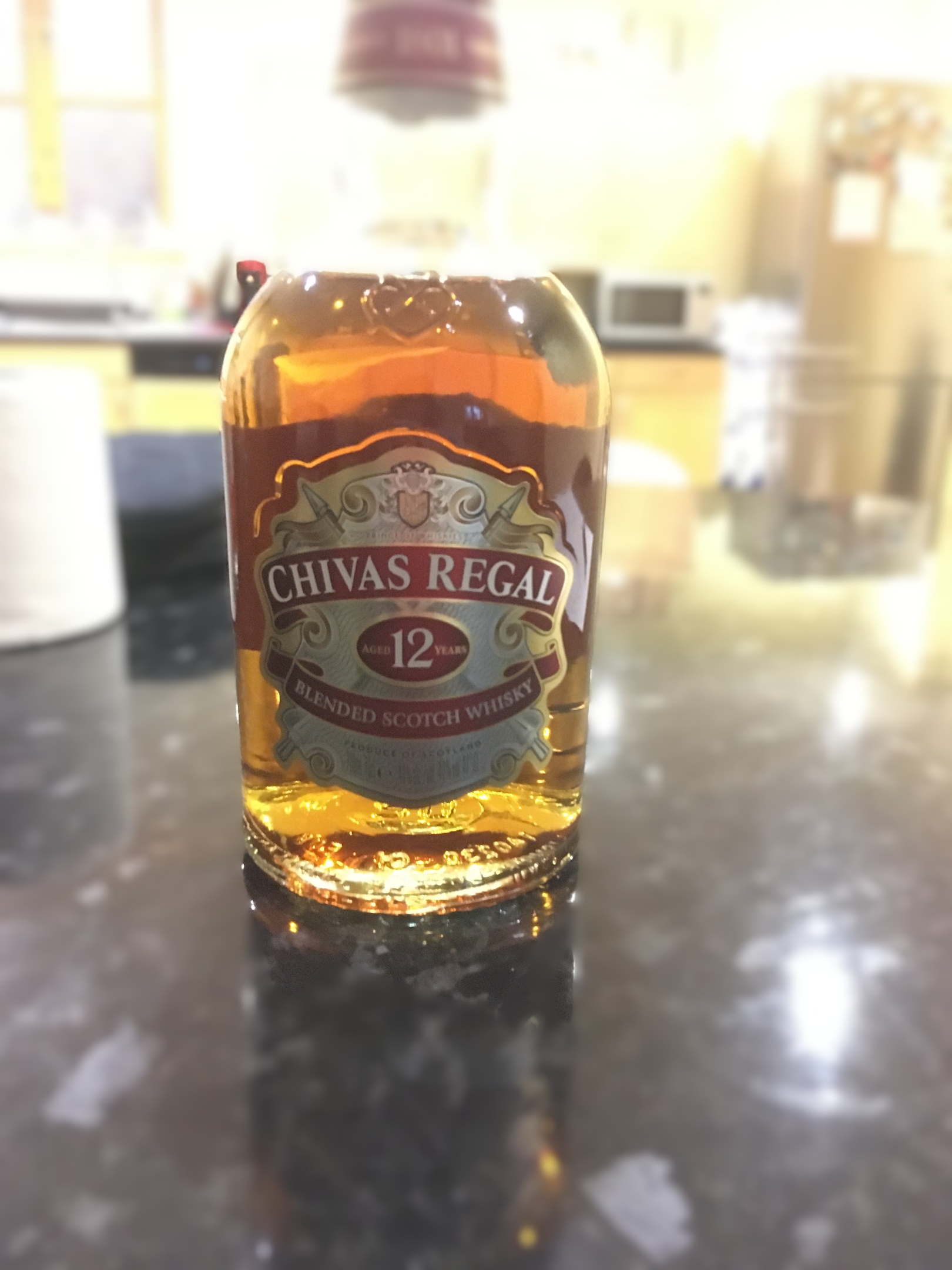
Why is a glass of whisky called a dram?
The word has an unlikely journey. It starts in ancient Greece with the drachma — a silver coin, and also a measure of weight, whose name literally means “a handful.” From Greek it passed into Latin, then Old French, and settled into English around the 1400s as a small unit of weight.
For a long time a “dram” was something apothecaries used: a precise measure of medicine, an eighth of a fluid ounce. And because so much of what people measured that way was strong and spirituous, the word slowly drifted from the measuring cup to the drink itself. By the 1600s and 1700s, a “dram” simply meant a small serving of spirits.
In Scotland, where they take their whisky seriously, it became something warmer and far less precise. A “wee dram” isn’t an official measurement at all — it’s a friendly word for a small pour of whisky, about enough to enjoy in one mouthful, often shared among friends.
So when we call ourselves The Value Dram, that’s the idea we’re borrowing: not a cold unit of measurement, but a generous, human-sized glass of whisky — and the question of whether it’s worth the money.